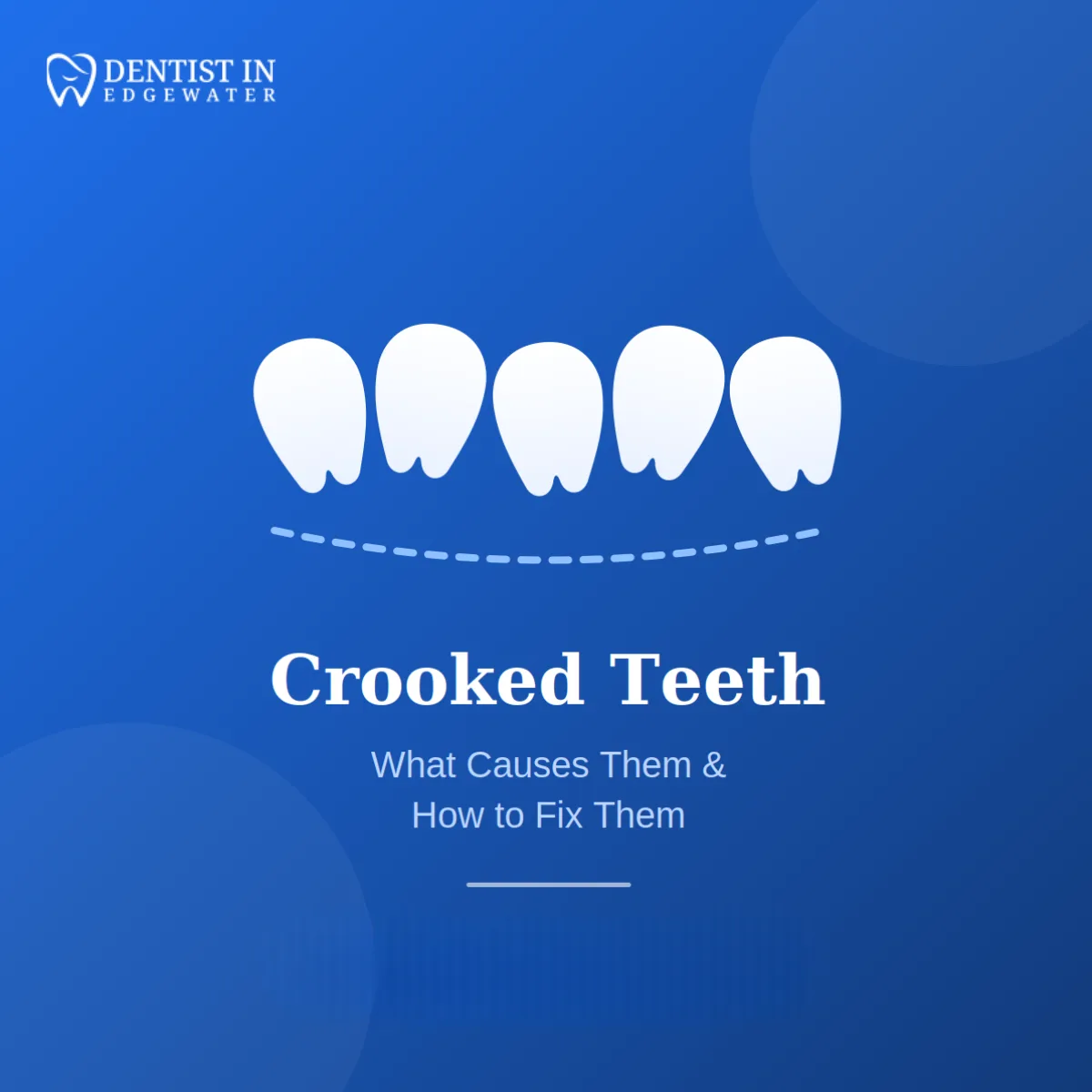
Many people worry about crooked teeth and want a clear fix. They notice bite problems, crowding, or a smile that feels off. Poor alignment can make brushing hard and raise dental care needs. Orthodontics and teeth straightening can restore function and smile aesthetics.
One key fact is that genetics and jaw size often cause misalignment and malocclusion. Childhood habits, like thumb sucking or long pacifier use, can make crowding worse. This post explains the causes — such as jaw development, trauma, and gum disease — and the treatments, such as metal braces, invisible aligners, and retainers. It also covers timely intervention, dental hygiene, and long-term alignment.
Many factors contribute to crooked teeth. Genetics often play a crucial role, as do childhood habits like thumb sucking and prolonged pacifier use.
Genetics play a crucial role in determining dental alignment. A person's inherited traits can influence the size and shape of their jaw. If one parent has crooked teeth or a small jaw, their child may also experience similar issues. Jaw size directly affects crowding and misalignment in the mouth.
Jaw development occurs during childhood and adolescence. Poor jaw structure can lead to malocclusion, which is the improper positioning of teeth when biting. Children with genetic predispositions may need orthodontic treatments like braces to correct these problems and achieve proper dental alignment.
Childhood habits play a significant role in this issue. Thumb sucking, pacifier use, and tongue thrusting can all affect dental alignment. Many children suck their thumbs or use pacifiers for comfort, and these actions may cause misalignment of the teeth over time.
Tongue thrusting occurs when a child's tongue pushes against their teeth during swallowing or speaking. This habit can also lead to malocclusion, which means the teeth do not fit together properly.
Early intervention is essential to correct these habits before they cause more severe problems later on. Maintaining good dental hygiene during childhood supports healthy jaw development as well. Addressing these behaviors early helps prevent complications like tooth crowding and misalignment in the future.
Early loss of teeth can lead to misalignment issues. Children may lose their primary teeth too soon due to decay, which affects how adult teeth grow in. Trauma from a facial injury also plays a role in crooked teeth — an impact to the mouth can shift teeth out of place or damage underlying structures.
Gum disease contributes to tooth crowding and malocclusion as well. It weakens supporting tissues, causing shifts in dental alignment. Proper dental care is crucial for preventing these problems, and orthodontic treatments offer options such as braces and clear aligners for straightening teeth efficiently.
Orthodontic treatments offer practical ways to straighten crooked teeth. Options like metal braces and invisible aligners can correct misalignment effectively, improving dental aesthetics and function.
Metal braces use brackets and wires to apply pressure on teeth, guiding them into proper positions over time. Invisible aligners offer a more discreet option, using clear plastic trays that gradually shift the teeth without noticeable hardware. Retainers help maintain tooth position after orthodontic treatment is complete, preventing shifting.
Each treatment has unique benefits for individuals seeking to address malocclusion or crowding. Early intervention can lead to better jaw development and healthier smiles in the long run. Regular dental care during these processes ensures success and lasting results in teeth straightening.
Correcting crooked teeth prevents future dental issues like malocclusion and crowding. Early treatment can reduce the need for more extensive procedures later on. Maintaining oral health is crucial during this process — good dental care helps keep gums healthy and supports jaw development.
Routine check-ups allow dentists to catch problems early. Patients who practice good habits, such as avoiding thumb sucking, see better alignment results. Nutrition also plays a vital role in supporting strong teeth and bones. Overall, proper care leads to improved dental alignment and enhances self-esteem through confident smiles.
Genetics affect jaw size and jaw development, which can cause crowding and misalignment. Habits like thumb sucking and a facial injury can also lead to malocclusion.
Orthodontics specialists check dental alignment with exams and X-rays to find malocclusion. They measure crowding and jaw size to plan treatment.
Treatment includes braces, clear aligners, and surgical correction when needed. Teeth straightening through orthodontics corrects misalignment and improves dental care.
Yes, habits such as thumb sucking can push teeth out of alignment in children. Stop the habit early, then use orthodontics and dental care for correction.
Time varies with age, jaw development, and the level of crowding and malocclusion. After treatment, wear retainers and keep up dental care to protect alignment.
If crowding, bite problems, or misalignment are affecting your smile, an evaluation is the first step toward a lasting fix. Call (443) 334-6689 to schedule an orthodontic consultation with Dentist in Edgewater and explore the right teeth-straightening option for you or your child.
No. Poor alignment makes brushing harder and raises dental care needs, so crowded or misaligned teeth are more difficult to keep clean and can lead to further problems. Orthodontic treatment restores function as well as smile aesthetics, and correcting alignment early can reduce the need for more extensive procedures later on.
Yes. Children who lose primary teeth too soon, often due to decay, can end up with misalignment because that early loss affects how the adult teeth grow in. Trauma from a facial injury can also shift teeth out of place or damage underlying structures, and gum disease weakens supporting tissue, allowing teeth to shift and crowd.
Yes, thumb sucking, prolonged pacifier use, and tongue thrusting can all affect dental alignment. Tongue thrusting, where the tongue pushes against the teeth during swallowing or speaking, can lead to malocclusion, meaning the teeth do not fit together properly. Correcting these habits early helps prevent more severe crowding and misalignment later.
Metal braces use brackets and wires to apply pressure that guides teeth into position over time, while invisible aligners use clear plastic trays that shift the teeth gradually without noticeable hardware. Both correct misalignment and crowding, and each has its own benefits depending on the case. Retainers follow either option to hold the corrected position.
Yes. Retainers maintain tooth position after orthodontic treatment is complete and prevent the teeth from shifting back. Alignment is not permanent on its own, so wearing retainers as directed and keeping up routine dental care protects the result. Regular check-ups also let the dentist catch any early movement while it is still simple to address.
Tell us a little about what you need — we'll be in touch shortly.
15 Lee Airpark Dr #100, Edgewater, MD 21037,United States
Hi! I'm Tooth fairy! Your AI Assistant Ask me anything