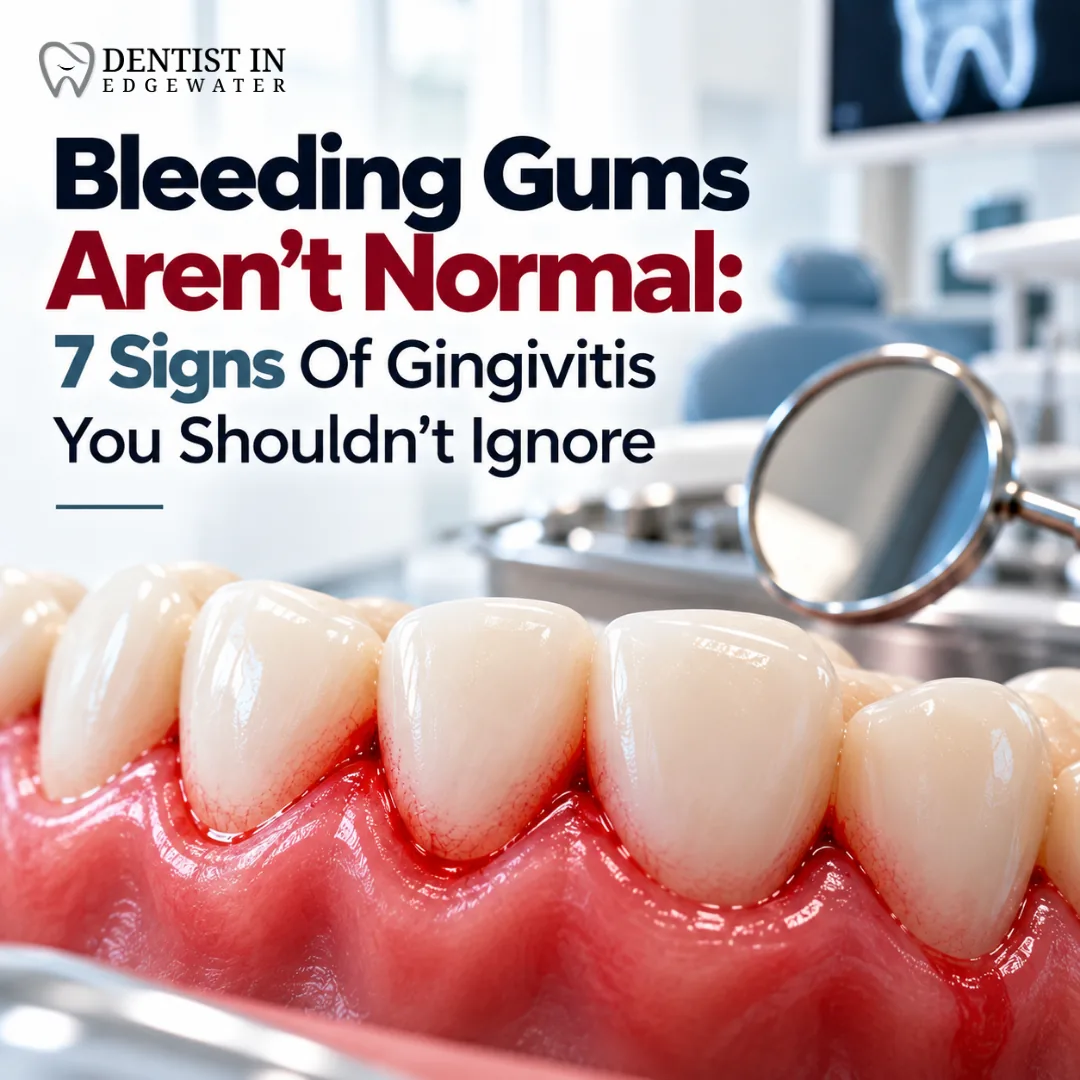
Many people see blood on their toothbrush. They wonder if bleeding gums are normal or a sign of gum disease.
Gingivitis is a common cause of bleeding gums. It can cause redness, swelling, and bad breath. Here you will know about signs to watch for and simple steps to prevent gingivitis.
The introduction led into a closer look at the condition behind bleeding gums. Gingivitis is the early stage of gum disease. It results from dental plaque buildup along the gum line.
Bacteria in the plaque cause inflammation, red gums, and bleeding during brushing or flossing.
A dental hygienist shared a first-hand account of patients reversing symptoms with better oral hygiene and a single professional cleaning. Left untreated, gingivitis can progress to periodontal disease and risk tooth loss.
Treatment focuses on plaque removal, consistent brushing and flossing, and routine dental visits to monitor symptoms.
Many people miss the early symptoms of gum disease, which can lead to bigger problems. Spotting these signs early helps protect your oral health and avoid future complications.
Red, swollen gums signal a problem. These symptoms often point to gingivitis, a common form of gum disease. Healthy gums should look pink and fit snugly around teeth. When gums become red and puffy, they show inflammation caused by plaque buildup. Plaque is a sticky film of bacteria that forms on teeth.
Ignoring these signs can lead to more serious issues like periodontal disease. People might experience discomfort while eating or cleaning their teeth when their gums are swollen. In some cases, even the slightest touch can cause pain or bleeding.
Observing such changes in oral health matters greatly for proper treatment options later on. Next up are other key symptoms associated with gingivitis that deserve attention.
Gums that bleed during brushing or flossing signal a problem. This symptom often occurs in people with gingivitis, a common gum disease. Many ignore these signs thinking they are normal; they are not.
Bleeding gums can lead to more severe issues, like periodontal disease if left untreated. People might think their oral hygiene routine is adequate when it is not.
A dentist's advice often helps in these situations. Regular check-ups can prevent further complications and maintain oral health. Addressing bleeding gums early offers the best chance for recovery without serious consequences.
Bleeding gums often indicate a problem, and persistent bad breath can be another sign of gingivitis. This condition often allows bacteria to thrive in the mouth. These bacteria produce foul-smelling compounds that lead to halitosis, or bad breath.
Ignoring this symptom can worsen oral health. If someone notices consistent bad breath despite good oral hygiene practices, they should take action. Regular brushing and flossing are essential for removing plaque buildup. A dentist visit may offer necessary treatment options for underlying gum disease.
Tender or painful gums can signal trouble. They indicate inflammation often caused by gum disease. Individuals experiencing this discomfort may notice sensitivity while eating or brushing their teeth. Sometimes, the pain can even linger throughout the day.
Regular oral hygiene plays a crucial role in preventing this issue. Brushing and flossing help reduce plaque buildup that leads to gingivitis. An experience shows that using a soft-bristle toothbrush can ease discomfort while cleaning the gums effectively.
Overlooking these signs could lead to more serious problems like periodontal disease if left untreated.
Receding gums present a serious concern for oral health. They occur when gum tissue pulls back from the teeth, exposing more of the tooth or its root. People may notice this condition as their teeth appear longer than normal.
Sometimes, it leads to sensitivity and discomfort while eating or drinking hot or cold things.
Gum disease often causes receding gums. Poor oral hygiene allows plaque buildup, leading to inflammation and gum recession over time. Personal experience shows that early intervention can help prevent further damage.
Treatments may include improved brushing techniques, professional cleanings, or even surgical options in severe cases. Keeping an eye on changes in gum levels is essential for maintaining healthy teeth and preventing periodontal disease.
Plaque forms when bacteria mix with food particles and saliva. It creates a sticky film on teeth that needs daily brushing to remove. If plaque isn’t cleaned away, it hardens into tartar. Tartar build-up often leads to gum disease like gingivitis.
Individuals may notice tartar as yellow or brown deposits on their teeth. Regular dental check-ups help in managing this issue effectively. Experience indicates that cleaning by a dentist can greatly improve oral health and reduce risk factors for serious conditions like periodontal disease.
Maintaining good oral hygiene at home is essential for preventing plaque buildup and maintaining healthy gums.
Plaque or tartar buildup can lead to significant issues in oral health. Changes in bite alignment or loose teeth often signal worsening gingivitis. These problems occur when infected gums weaken the supportive structures around teeth. Gums that pull away from teeth create gaps, shifting their positions.
Loose teeth may make chewing difficult and uncomfortable. Misaligned bites can cause strain on jaws and other teeth, leading to more complications. Regular dental checkups help catch these signs early, preventing further damage. Prompt treatment addresses gum disease before it worsens into periodontal disease.
Ignoring symptoms of gingivitis can lead to more serious issues. If someone notices red, swollen gums or experiences bleeding while brushing or flossing, a visit to the dentist is necessary.
Persistent bad breath and tender gums signal trouble too. Receding gums or loose teeth indicate that gum disease may escalate without treatment.
Seeking dental care helps prevent periodontal disease from developing further. Regular check-ups allow dentists to identify plaque buildup early on. Catching these signs promptly can save someone from painful toothaches in the future.
Maintaining good oral health requires immediate attention to any troubling symptoms observed during daily routines like brushing and flossing.
Signs of gingivitis include bleeding gums, swollen gums, bad breath, and gum sensitivity. You may also notice receding gums or changes in your bite.
Bleeding gums indicate that you might have gingivitis. It is not normal and can lead to more serious dental issues if ignored.
You can prevent gingivitis by brushing your teeth twice a day, flossing daily, and visiting your dentist regularly for check-ups.
If you notice any signs of gingivitis like bleeding or swollen gums, schedule an appointment with your dentist right away for evaluation and treatment options.
Tell us a little about what you need — we'll be in touch shortly.
15 Lee Airpark Dr #100, Edgewater, MD 21037,United States
Hi! I'm Tooth fairy! Your AI Assistant Ask me anything