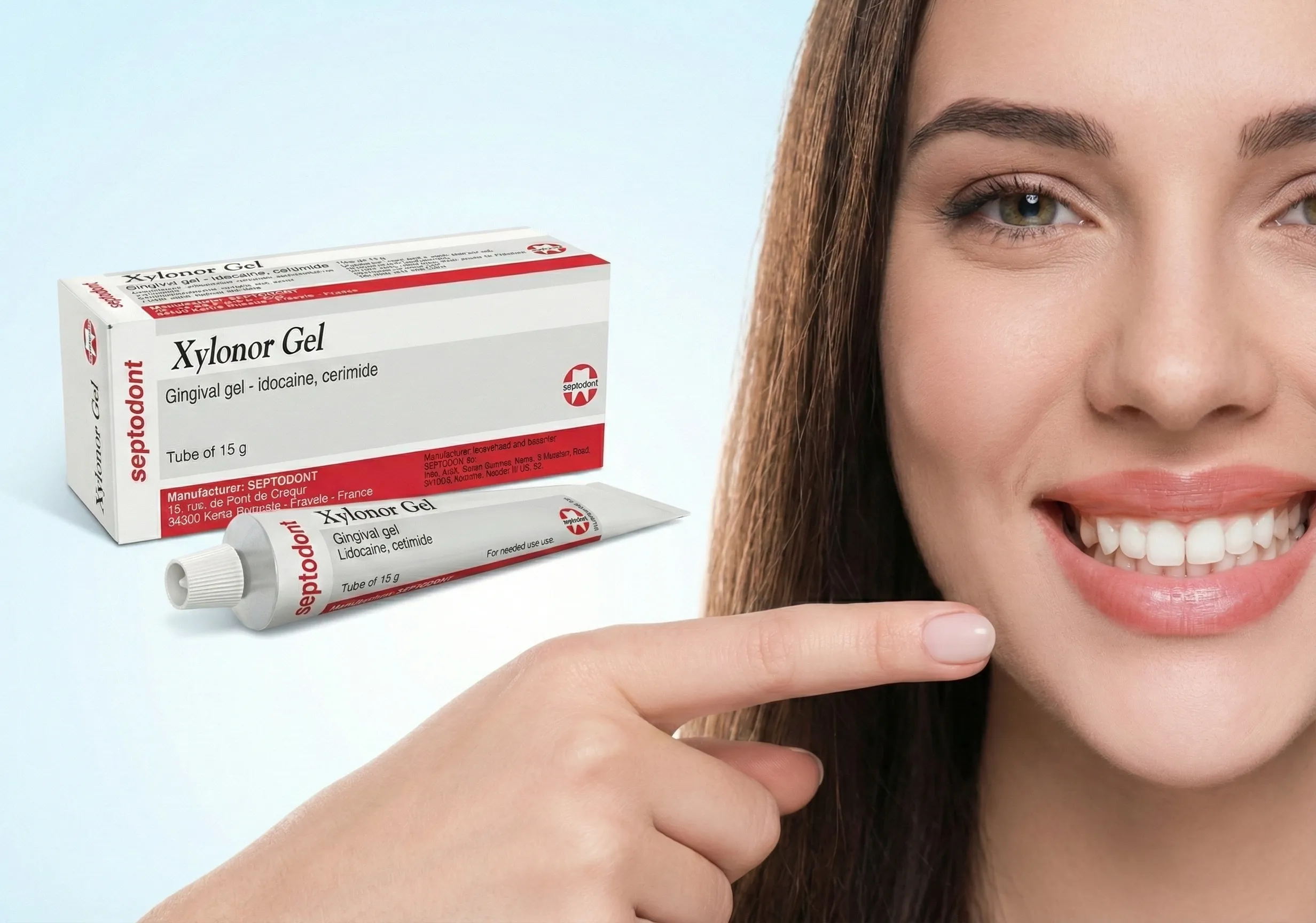
At Dentist in Edgewater, patient comfort is a priority—especially during procedures like deep scaling. Dental anaesthetic gels are topical anesthetics commonly used in dentistry to reduce discomfort during treatments that involve sensitive gum areas.
Patients with stained teeth, heavy mineralized deposits, or persistent bad breath often require deep scaling, which can cause discomfort if not properly managed. Dental anaesthetic gels help make this procedure more comfortable while maintaining treatment effectiveness.
Scaling or professional cleaning of teeth involves the removal of plaque, calculus, and debris from tooth surfaces using periodontal instruments.
Patients with heavy staining, hardened calculus deposits, or halitosis often require scaling to restore and maintain good oral hygiene.
Routine scaling is usually non-invasive. However, deep scaling—also known as root scaling or root planing—is a more intensive procedure that goes beyond the gum line to clean the roots of the teeth.
This procedure is not the same as routine cleaning and often requires additional pain management.
Deep scaling is performed when microorganisms extend deep along the tooth roots and begin affecting the supporting bone structure.
If left untreated, this condition can threaten the stability of the teeth.
Dental anaesthetic gels are used to:
These topical anesthetic gels can be as effective as injectable anesthesia for managing discomfort during scaling and root planing, especially in patients with sensitive gums.
At Dentist in Edgewater, scaling procedures are commonly performed using power-driven devices such as sonic and ultrasonic scalers.
These instruments use high-frequency vibrations to efficiently remove plaque and calculus from the gum line and tooth roots.
During deep scaling:
Clinical use has shown that topical anesthetic gels are safe and do not negatively affect treatment outcomes.
Dental anaesthetic gels are available in pleasant flavors such as mint, bubblegum, blueberry, and grape, making them more acceptable for patients.
Their ability to numb specific areas of the oral cavity helps dentists manage anxious patients more effectively and ensures smoother treatment sessions.
Key patient benefits include:
At Dentist in Edgewater, we focus on providing a calm, friendly environment while delivering high-quality dental care.
Our team uses appropriate pain-management techniques, including dental anaesthetic gels, to ensure scaling and cleaning procedures are as comfortable as possible.
If you’re experiencing stained teeth, bad breath, gum discomfort, or have been advised to undergo deep scaling, book your appointment with Dentist in Edgewater today.
Your comfort and oral health are our priority.
Deep scaling can cause discomfort if it is not properly managed, which is why topical dental anaesthetic gel is commonly used. The procedure goes beyond the gum line to clean the roots, and vibrations from the scaler may be uncomfortable where gums are inflamed or bleeding. The gel numbs the area so cleaning can be thorough without pain.
Routine scaling is a non-invasive professional cleaning that removes plaque, calculus, and debris from tooth surfaces. Deep scaling, also called root scaling or root planing, is more intensive and goes beyond the gum line to clean the roots of the teeth. It is performed when microorganisms extend deep along the roots and begin affecting the supporting bone.
Topical anaesthetic gels can be as effective as injectable anaesthesia for managing discomfort during scaling and root planing, particularly in patients with sensitive gums. The gel is applied directly to the area being treated and numbs it without a needle. Clinical use has shown these gels are safe and do not negatively affect treatment outcomes.
No. The gel numbs the tissue topically and does not interfere with the effectiveness of the scaling procedure. Scaling is performed with power-driven sonic and ultrasonic scalers that use high-frequency vibrations to remove plaque and calculus from the gum line and roots, and numbing the surrounding tissue does not change how well those instruments work.
Deep scaling is typically advised for patients with heavy staining, hardened calculus deposits, persistent bad breath, or gum pockets where bacteria have extended along the tooth roots. Left untreated, that condition can affect the supporting bone and threaten the stability of the teeth. An examination determines whether routine cleaning is enough or deeper treatment is needed.
Tell us a little about what you need — we'll be in touch shortly.
15 Lee Airpark Dr #100, Edgewater, MD 21037,United States
Hi! I'm Tooth fairy! Your AI Assistant Ask me anything