Many people put off a checkup or needed repair, then wonder how much dental insurance coverage they still have. A busy schedule can make the year-end deadline easy to miss.
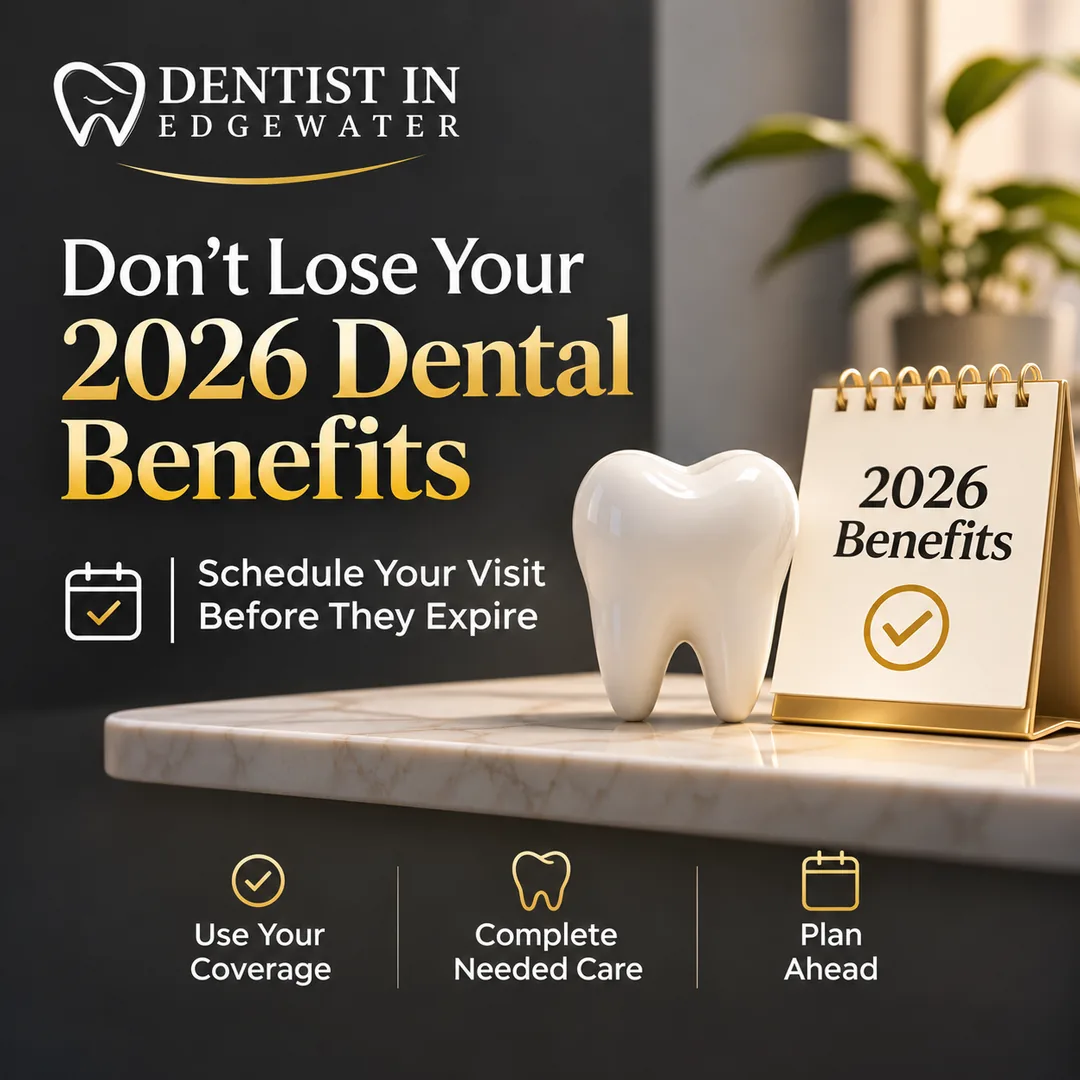
Most dental insurance plans reset on January 1, and unused dental benefits often expire on December 31. This guide shows patients how to check their remaining benefits and plan a visit before the deadline.
Understanding your 2026 dental benefits can feel tricky. Knowing the annual caps and expiration dates is vital for making the most of what you have.
For a calendar-year plan, patients should check their remaining annual maximum before the year ends.
| Plan detail | What patients should know |
|---|---|
| Annual maximum | Most plans do not carry unused amounts into the new year. |
| 2026 deadline | Unused benefits expire after December 31. |
| Plan reset | Most plans reset on January 1. |
The next section covers services that may use these benefits.
With annual limits and expiration dates in view, patients can check which types of care their remaining benefits may cover.
| Service type | Appointment to consider |
|---|---|
| Preventive care | Overdue checkup |
| Restorative care | Necessary treatment |
Dental benefits expire because they follow a use-it-or-lose-it policy. If individuals don’t utilize their benefits by the end of the year, they simply disappear. Many people overlook this and miss out on valuable coverage. Regular check-ins with dental offices can help avoid these mishaps.
Many dental plans follow a use-it-or-lose-it rule. A dentist may see patients lose unused coverage because they wait until the year ends. For calendar-year plans, benefits expire on December 31, and most plans reset on January 1. Unused benefits and annual maximums usually do not roll over. Patients who miss the deadline forfeit any coverage left in their plan.
The use-it-or-lose-it rules directly link to common policy deadlines. Most dental plans set December 31 as the cutoff for annual benefits. Patients often lose all unused benefits after this date.
They cannot roll over any remaining amounts into the new year. January 1 marks a reset for most dental insurance plans; coverage starts fresh, but it also means forfeiting any unused allowances from the previous year. Taking action before these dates is crucial to maximize coverage and avoid losing valuable benefits.
Regular dental exams and cleanings keep oral health in check. X-rays can spot hidden issues, while fluoride treatments strengthen teeth against decay.
Exams and cleanings fall under essential preventive services. Patients should schedule these appointments before the end of the year. Many dental plans require regular checkups to avoid losing benefits. Unused benefits do not carry over; they disappear after December 31st. Missing an exam means forfeiting valuable coverage.
Dental professionals perform exams to catch issues early. They also provide cleanings to maintain oral health and prevent decay or gum disease. Neglecting these appointments can lead to higher out-of-pocket costs down the line. Staying proactive helps individuals make the most of their remaining allowance and keep their smiles healthy.
X-rays and routine imaging play a key role in dental health. These services help dentists spot issues that may not be visible during regular exams. Many patients overlook the importance of X-rays, but they provide crucial information about cavities, bone loss, and tooth positioning.
Scheduling these imaging sessions before benefits expire is wise. Patients often forget that unused benefits do not carry over. They should check if their plan covers these important tests to make the most of their remaining allowances for 2026. This proactive approach can prevent bigger problems down the road.
X-rays and routine imaging help catch issues early. After those, patients should consider fluoride treatments and sealants for added protection. Fluoride toothpaste strengthens teeth against cavities.
Many dentists recommend professional fluoride treatments as a proactive measure. These treatments apply a higher concentration of fluoride directly to the teeth.
Sealants provide another layer of defense, especially for children. Dentists apply them on the chewing surfaces of back teeth to prevent decay. This simple application can save families from future dental problems and costly procedures. Utilizing these preventive services before benefits expire maximizes coverage while promoting better dental health overall.
People should take advantage of their dental benefits. They can save money while keeping their smiles bright and healthy. Prioritizing essential procedures helps people get the most value from what they have. Coordinating closely with a dentist ensures they cover all necessary treatments before deadlines hit.
Basic and major procedures play a crucial role in maintaining dental health. Patients should focus on these treatments first to make the most of their benefits. Necessary restorative appointments must be scheduled before year-end deadlines pass, as unused dental benefits do not carry over. A timely visit can help avoid out-of-pocket costs later.
Basic procedures include exams and cleanings, which are essential for preventive care. Major procedures might involve fillings or crowns that address existing issues. By prioritizing these visits now, patients can prevent bigger problems down the line while utilizing their coverage effectively.
Patients should discuss treatment plans with their dentist to maximize benefits. They need to prioritize necessary restorative appointments before year-end deadlines pass. Scheduling overdue preventive checkups ensures coverage stays intact.
Reviewing the remaining allowance helps patients understand how much they can spend on treatments. Dentists often provide valuable advice on what procedures are most urgent and beneficial for maintaining overall dental health.
Scheduling a dental visit can feel overwhelming, but it doesn’t have to be. Start by checking your remaining benefits and jotting down the services you need. Then, call your dentist's office to book an appointment before the clock runs out.
Checking remaining dental benefits is essential to avoid losing coverage. Patients can take a few straightforward steps to assess their benefits.
These actions help patients stay informed about their coverage as they plan dental visits before benefits run out at year's end.
Scheduling a dental appointment early can make all the difference in utilizing benefits. Patients should act quickly to avoid losing coverage.
Booking early leads to better dental health outcomes and maximizes coverage utilization effectively, ensuring patients don’t miss out on important preventative services next year!
If you miss the deadline, you risk losing your benefits. This loss could lead to higher out-of-pocket costs for necessary dental care.
Unused dental benefits vanish after December 31. Patients lose all coverage if they do not schedule their appointments in time. This situation leads to unwanted out-of-pocket costs for treatments that could have been covered. A patient may end up paying extra money for routine care that should have come from insurance.
Many people overlook the expiration dates of their plans. They often assume leftover benefits will carry over into the new year, but this is not how most policies work. Missing these deadlines leaves patients stuck covering expenses on their own. It can hurt both finances and dental health due to lack of preventive care or needed procedures.
Missing the deadline for dental benefits can have serious consequences. Patients lose their coverage and bear out-of-pocket costs for necessary treatments. Tooth decay and gum disease may worsen without regular checkups or cleanings. Skipping preventive care means risking more severe issues down the line, leading to costly procedures.
Untreated dental problems often escalate into bigger challenges requiring major treatments. Neglecting scheduled visits can compromise overall oral health. Patients should prioritize utilizing their benefits while they still can because once December 31 passes, those unused benefits vanish completely.
Many dental plans reset at the end of the year. Check your plan or call your insurer for the exact date. Unused benefits may not roll over.
Your plan may cover preventive care, such as exams and cleanings. A visit can also help you use your remaining annual maximum before it resets.
Ask your dentist to review your treatment needs and insurance coverage. Your deductible, copay, and plan rules can affect what you pay. A quick call now can help avoid a year-end rush.
Call your dental office soon and ask about open appointments. Share your insurance details, and ask the office to check your benefits. The calendar fills fast, so don’t wait until the last tooth.
Tell us a little about what you need — we'll be in touch shortly.
15 Lee Airpark Dr #100, Edgewater, MD 21037,United States
Hi! I'm Tooth fairy! Your AI Assistant Ask me anything